
Pioneering sustainable urban planning integrates green spaces for resilient communities. Realize benefits of quartiersentwicklung freiflächen.
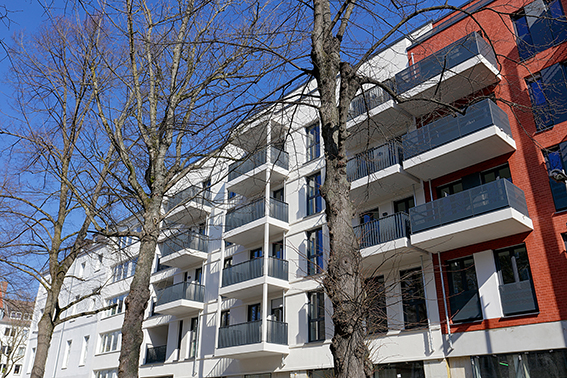
Our work in urban development has consistently highlighted the critical importance of integrating green infrastructure from the earliest planning stages. Creating vibrant, livable communities is not just about buildings and roads; it’s fundamentally about fostering environments where people thrive, connect with nature, and adapt to future challenges. This approach, centered on sustainable quartiersentwicklung freiflächen, directly influences public health, ecological balance, and long-term economic stability. We’ve seen firsthand how thoughtful design can convert mere open spaces into dynamic community assets.
Overview
- Sustainable urban development heavily relies on integrating green spaces from initial planning.
- Green infrastructure directly improves public health, ecological balance, and economic stability.
- Quartiersentwicklung freiflächen projects enhance biodiversity and ecosystem services within urban areas.
- Community involvement is crucial for successful design, implementation, and maintenance of green spaces.
- These developments contribute to climate resilience through stormwater management and urban cooling.
- Real estate values often appreciate in neighborhoods with high-quality green infrastructure.
- Long-term operational costs can be reduced through natural solutions over grey infrastructure.
- Policy support and interdisciplinary collaboration are essential for scaling these initiatives.
The Role of Green Spaces in quartiersentwicklung freiflächen
Integrating green spaces within urban districts is more than an aesthetic choice; it’s a foundational element of resilient urban living. From our practical experience, these areas provide indispensable ecosystem services. Think of mature trees absorbing CO2 and filtering air, or permeable surfaces managing stormwater runoff naturally. Such features are vital for mitigating the impacts of climate change, especially in densely populated areas. We’ve observed significant reductions in localized heat island effects in neighborhoods where green corridors and parks are strategically integrated.
Furthermore, green spaces serve as critical habitats for urban biodiversity. Even small parks or green roofs can support pollinators and local wildlife, contributing to broader ecological networks. When planning quartiersentwicklung freiflächen, we emphasize creating interconnected green systems. This network allows for species movement and provides residents with continuous access to nature. Our projects aim to move beyond isolated parks, developing a cohesive green fabric across the entire district. This integrated approach ensures that ecological benefits are maximized.
Economic and Social Benefits of Sustainable Urban Living
Investing in high-quality green infrastructure yields substantial economic and social returns. From an economic standpoint, properties located near well-maintained parks and green areas often command higher values. This upward trend reflects a growing demand for healthier, more attractive living environments. Moreover, sustainable stormwater management systems, like rain gardens and bioswales, reduce the need for expensive traditional grey infrastructure, offering long-term cost savings to municipalities. For example, some cities in the US have implemented green infrastructure programs that have proven more cost-effective than expanding conventional drainage systems.
Socially, green spaces are vital catalysts for community cohesion and public well-being. They provide essential venues for recreation, social interaction, and cultural events. We have seen how community gardens foster neighborly connections and promote healthy lifestyles. Children benefit from natural play areas, supporting physical activity and cognitive development. These informal gathering places are crucial for building stronger, more connected communities. Our project designs always prioritize spaces that invite communal use and interaction.
Implementing Sustainable Green Infrastructure in quartiersentwicklung freiflächen
Successful implementation of sustainable green infrastructure within quartiersentwicklung freiflächen demands a collaborative, multidisciplinary approach. This means bringing together landscape architects, urban planners, engineers, and community stakeholders from the outset. Early engagement ensures that diverse needs and perspectives are captured. We often begin with a detailed site analysis, assessing existing ecological conditions and potential for green integration. This includes mapping natural water flows, soil types, and existing vegetation.
Our methodology emphasizes nature-based solutions. This might involve designing swales for natural drainage, planting native species to reduce maintenance needs, or incorporating green roofs on new buildings. Selecting appropriate plant species is key; natives are more resilient, require less water, and support local ecosystems more effectively. We also focus on materiality, opting for permeable pavements and recycled materials where possible. This holistic approach ensures that every element of the new development contributes to its overall sustainability goals.
Overcoming Challenges and Fostering Community in quartiersentwicklung freiflächen Projects
Despite the clear benefits, realizing sustainable quartiersentwicklung freiflächen faces practical challenges. Land availability in dense urban areas is often limited, requiring creative solutions like vertical gardens or rooftop greening. Funding can also be a hurdle, as initial investments in green infrastructure may appear higher than conventional development. However, we consistently advocate for a long-term cost-benefit analysis, demonstrating savings on maintenance, energy, and improved public health outcomes. Policy frameworks play a significant role here, with some cities offering incentives for green development.
Community involvement is not just about early engagement; it extends to long-term stewardship. For green spaces to thrive, residents must feel a sense of ownership and responsibility. We have implemented participatory design workshops and established Friends of the Park groups to empower local communities. Education about the benefits of green infrastructure also builds sustained support. By fostering this collaborative spirit, we ensure that these vital green assets are not only created but also maintained and cherished for generations to come. This shared vision makes the development truly sustainable.
About the Author

